Does Living in a Humid Climate Increase the Risk of Mold Growth?

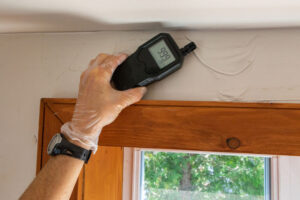
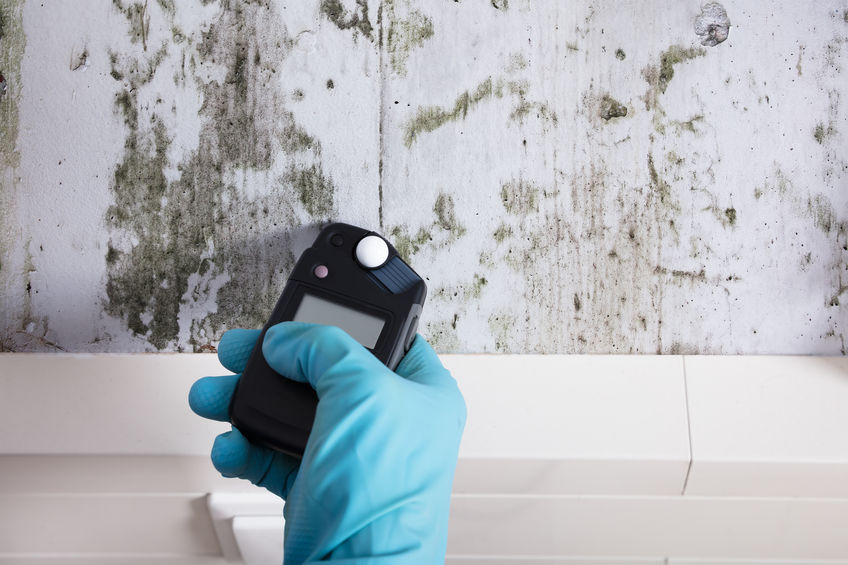
Person preparing to test mold on a wall

Living in a warm, coastal climate is amazing thanks to sunshine, breezy afternoons, and year-round outdoor living. However, if you’ve ever stepped into a room and caught that unmistakable “musty” smell, you already know the downside: humidity can be a perfect recipe for mold growth. As licensed and certified mold assessors serving the Palm Beaches and the Treasure Coast, we’ve seen firsthand how quickly mold can take hold in homes exposed to Florida’s sticky weather.

Why Humidity Feeds Mold Growth

Humidity isn’t just uncomfortable; it’s also a fuel for mold. Mold spores are always present in the air, but when indoor humidity consistently rises above 60%, those spores settle and thrive. Moisture clings to drywall, insulation, carpets, and even furniture, creating hidden pockets where mold can grow undetected.

In places like Palm City, outdoor humidity levels often soar. Without proper ventilation, air conditioning, and moisture control, indoor humidity can spike even higher than the outdoors. This is why homeowners here face a more frequent need for mold inspections, air quality assessments, and routine environmental monitoring.

Common Signs Mold May Be Growing in Your Home

You don’t always see mold before it becomes a problem. In fact, mold often grows behind walls, inside ceilings, and beneath flooring long before it becomes visible. Some of the earliest warning signs include:

  • A persistent musty odor
  • Increased allergy-like symptoms indoors
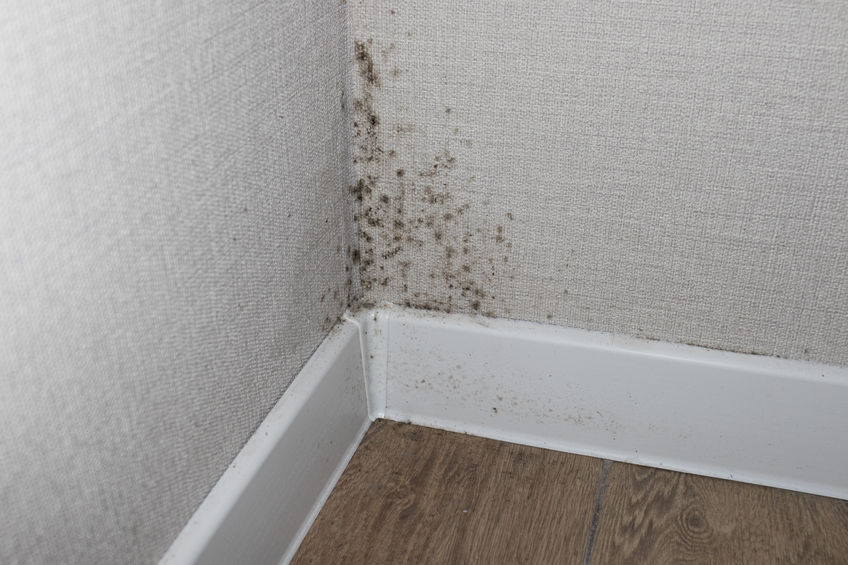
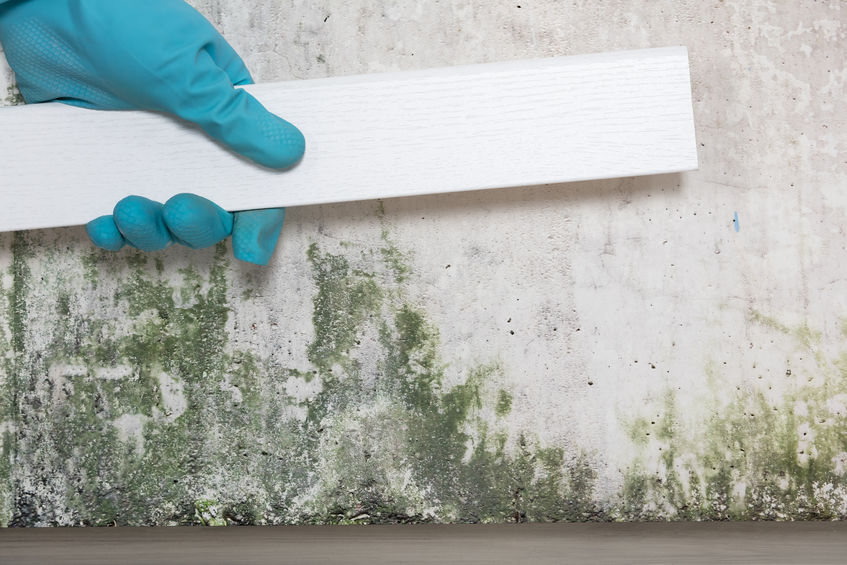
  • Discoloration on walls or baseboards
  • Warped or damp-feeling building materials
  • Condensation on windows or vents

These are usually indicators that humidity and microbial activity are increasing, and that it may be time for mold testing, VOC testing, MVOC testing, or more advanced environmental assessments.

Protecting Your Home in a Humid Climate

The key to preventing mold in a humid environment is moisture management. Simple steps like keeping indoor humidity between 40–50%, running exhaust fans, maintaining your HVAC system, and using dehumidifiers in problem areas can make a major difference.

However, even with the best precautions, Florida’s climate is relentless, and mold still finds a way in. That’s why a professional evaluation combining visual inspection, instrument readings, and laboratory analysis provides the most accurate picture of your home’s ambient air quality.

If you suspect mold, notice unusual odors, or simply want peace of mind, a thorough inspection can help identify what’s hiding in your indoor air. A+ Mold Inspection Specialists proudly serves Palm Beach, Martin, St. Lucie, and neighboring counties with detailed assessments backed by industry-standard environmental practices. Contact us to schedule your mold assessment.

Five Things You Should Know About Mold Inspections

Please tell us a little bit about your company and the services you offer.

We are a husband and wife team, both licensed and insured for $1M-$2M, using only state-of-the art equipment at no extra charge. We use IRC (infrared cameras) and fiber optics cameras (wireless Borescopes for going into wall cavities, etc.) in addition to other kinds and types of equipment to give our clients the most productive assessment to assure them of the most advanced inspection in the industry. We consider ourselves a minority: We are honest and maybe the only company to have a code of ethics.

How does mold usually start growing in a home or apartment?

The food is already there (dust, wood, fabrics, glue used for wall paper, etc.); these spores are just waiting for a place to land and set up house in your home. All these little guys need now is humidity of 60% or more and/or water intrusion. It is that simple.

What are the main concerns when people can see or smell mold in their house?

“Is it black mold?” Concerns about health issues: “What have my children have been exposed to? Help! What do I do?”

Can you briefly explain the basic steps involved with mold inspection and testing?

It starts with an initial meeting and/or an over the phone interview with the client or representative to discuss the inspection process, the fees to be charged, specifics of the home (size, age, history, etc.), and what the problem is: water damage, a closing or complaints related to some health issue. Our evaluations are performed using current acceptable building envelope and interior investigations, environmental hygiene practices, mold testing and other environmental practices using techniques and equipment that are acceptable and used by professional environmental consultants.

Do you think that a free mold inspection is a reliable way to get an assessment?

Absolutely not. Do not get sucked into this invitation to probable doom and gloom; nothing is free in this world. Be very suspicious of any professional who offers free testing, as they may want to do the remediation – and that is where the money is. They usually use petri dishes which give a false positive because there are always spores in the air everywhere and the dish will prove it, but it does not mean you have a true mold issue.

What can homeowners in Florida do to help prevent mold problems and avoid mold exposure?

– Your AC is the best dehumidifier to take moisture out of the air. Never turn it off especially to save money on the electric bill.
– If you are a snowbird, when you leave for the summer be sure to put a new battery in the thermostat to be assured that the few dollars spent on an inexpensive item keeps the air handler functioning, in case after a bad electrical storm and your power goes out. If the battery is low, there may not be enough power to kick your AC back on. You will have a big surprise with mold growing on everything in the form of a “humidity bloom” caused from the high humidity due to the lack of the best dehumidifier you can have – also called the air conditioner. Remediation is expensive, labor and time intensive, and there are no short cuts; only better equipment and products for remediation and a good, honest remediator and an assessor/inspector.
– Consider keeping your ceiling fans on low to keep the air circulating at all times to prevent these spores from landing on or behind furniture allowing them to begin setting up colonies of mold.
– Any water intrusion after 24 hours will begin growing mold no matter where it is; it multiplies about every eight hours. Do something immediately with any water intrusion to be sure it is cleaned up immediately.
– Don’t use bleach to clean up mold as it is mostly water and basically causes more issues than you need. Bleach is caustic, smelly, and basically does not do anything. Use simple 3% hydrogen peroxide OTC, as it is the easiest thing to clean up mold and it kills everything. Or use a simple detergent.
– If it is a large amount of water and damage is over 10 square feet, call a professional remediator first for a dry-out. They should know what to do if it is fresh to help prevent mold from growing. If your water intrusion has already developed a mold issue, be sure to get your assessor/inspector ASAP involved following the Florida mold laws.
– Don’t depend on your wonderful neighbors/friends to house watch for you while you are gone. We suggest retaining a professional to check your home every two weeks at the least, as most insurance companies state they want the reporting of a claim within 14 days of occurrence or they may not accept the claim.
– Technology can assist in preventing mold. UV lights or the newest in technology such as CIMR, which is a true ozone-free hydrogen peroxide self-producing gas air sanitizer (more than a purifier) to be installed in your air handers or available in portable units. (Canada, California and Michigan have banned any air purification system that emits even residual levels of ozone.)

Is there anything that I didn’t ask about mold inspections that you think our readers should know?

Any contractor or trade you hire, always check to see if they are licensed and insured to do the business they are performing and find out if there are any fines or complaints filed on their license. Here is the one website where all licensing for all professions in the state is issued: The Department of Professional Regulations www.myfloridalicense.com . Checking for proper licensing in mold related areas: http://www.myfloridalicense.com/dbpr/pro/mold/index.html; or view the Statutes 2014, Title 32, Chapter 468.8419.

What’s the best way for people to contact your company?

We launched a new website recently: . Or call this phone number: 772-219-9066 and just ask for the Mold Lady or the Mold Doc.


mold-team