

Our Mold Inspection & Testing Objectives
At A+ Mold Inspection Specialists, our goal is to provide clients with a clear, objective understanding of the mold and indoor air quality conditions within their property. A thorough mold inspection and testing involves much more than simply collecting air samples. We combine visual observations and findings, which make up a significant portion of the inspection, with readings from our professional equipment and analysis of the final laboratory results. This allows us to evaluate mold spore levels and potential moisture-related conditions within the property.
We also take the time to prepare and educate our clients so they understand the inspection process and the findings. Our evaluations incorporate current building-envelope and interior investigation methods, environmental hygiene practices, mold air testing, moisture investigation techniques, and digitally calibrated equipment commonly used by professional environmental consultants and industrial hygienists.
We follow the applicable Florida mold regulations and professional standards of practice to provide our clients with thorough and objective reporting. Laboratory samples are only one part of a complete mold assessment. A lab report by itself may identify mold spores, but a professional mold inspection can provide additional context regarding visible conditions, potential moisture sources, areas of concern, and recommendations for addressing the problem.
Mold Air Testing & Indoor Air Quality Sampling
Mold air testing, also known as bioaerosol sampling, can be an important part of determining whether elevated mold spores may be present inside a home or commercial property. A+ Mold Inspection Specialists uses professional air-sampling equipment to collect samples that can be analyzed by a third-party laboratory for mold spore types and concentrations.
Our air quality testing procedure uses a calibrated high-flow pump with a Zefon Air-O-Cell spore trap. The cassette contains a collection surface designed to capture airborne particulate matter for laboratory analysis. The meter is calibrated at 15 liters per minute and operated for five minutes per sample.
Outdoor control samples are also collected to establish a comparison point for the types and concentrations of mold spores naturally present in the surrounding environment. Indoor and outdoor results are then evaluated along with the property’s visual inspection, moisture conditions, and other findings to help determine whether indoor mold conditions warrant further investigation or remediation.
If you need a mold inspection or mold testing in Palm Beach County, Martin County, or St. Lucie County, FL, A+ Mold Inspection Specialists can help. We serve West Palm Beach, Palm Beach, Palm Beach Gardens, and surrounding communities, as well as St. Lucie County. Contact us to schedule an inspection or call (561) 602.0055.
Mold Surface Sampling
Mold surface sampling can be used when visible or suspected mold growth is found in a specific area. Depending on the situation, a sample may be collected using a swab, clear tape, or a small piece of the affected material. The sample can then be submitted for laboratory analysis to help identify the type of mold present. Testing methods may include a fungal screen or culture analysis, depending on the circumstances and purpose of the testing.
What Is Mold Remediation and What Is Involved?
If testing identifies elevated mold conditions, A+ Mold Inspection Specialists can develop a mold remediation protocol outlining the recommended steps for addressing the affected areas. This can be particularly important when an insurance claim is involved. The appropriate remediation process depends on factors such as the location of the mold, the materials affected, the extent of the contamination, and whether containment is necessary.
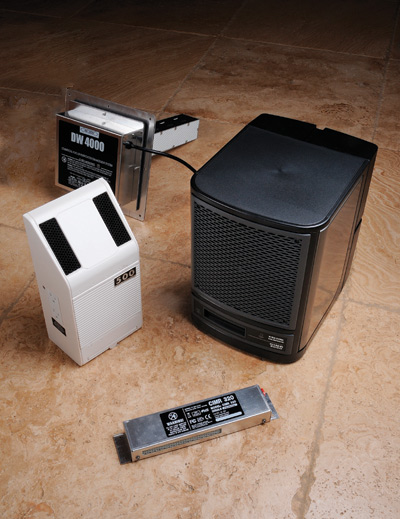
The goal of professional mold remediation is to remove contaminated materials and mold contamination from the affected environment rather than simply treating visible growth. Depending on the project, remediation professionals may use containment, HEPA air scrubbers, HEPA vacuums, dehumidification equipment, antimicrobial products, and other specialized procedures.
Before mold remediation begins, the source of the moisture intrusion should be identified and corrected whenever possible. This may involve plumbing leaks, roof leaks, water intrusion, condensation, excessive humidity, or other moisture problems. Addressing the moisture source is an important step in helping prevent mold from returning.
For larger remediation projects, A+ recommends obtaining bids from qualified, licensed, certified, and insured mold remediation professionals. Depending on the conditions, remediation may involve removing contaminated drywall or other building materials, cleaning affected surfaces, HEPA vacuuming, treating appropriate surfaces, and operating HEPA air scrubbers and dehumidification equipment.
After remediation is completed, post-remediation verification and mold testing may be performed to evaluate the conditions in the treated area. When the property meets the applicable clearance criteria, A+ can provide a PRV clearance report documenting the post-remediation findings. Restoration work, such as replacing drywall, trim, and paint, can then proceed as appropriate.
Alternatives to traditional antimicrobial treatments: Depending on the circumstances, alternative remediation products and methods may be available, including hydrogen peroxide- and enzyme-based treatments. When alternative products or procedures are required, the remediation protocol should be developed specifically for the property and the conditions identified during the mold assessment.
Mold Inspection & Testing FAQs
Mold air testing measures the types and concentrations of mold spores present in indoor air. The results can be compared with outdoor samples and evaluated alongside the property’s visual and moisture inspection to help identify abnormal indoor mold conditions.
Mold air testing uses specialized equipment to collect air samples from inside and outside the property. The samples are sent to a third-party laboratory to identify mold spore types and concentrations.
Outdoor control samples provide a baseline for the mold spores naturally present in the surrounding environment. Indoor samples can then be compared with outdoor conditions as part of the overall mold assessment.
Indoor mold results are evaluated by considering the types and concentrations of spores found indoors and outdoors along with visual observations, moisture readings, building conditions, and other inspection findings.
Surface sampling can be used to evaluate visible or suspected mold growth on a specific material or surface. A swab, tape sample, or small material sample may be collected and submitted for laboratory analysis.
A professional mold inspection can help identify conditions contributing to mold growth by combining visual observations, moisture readings, building investigation, and laboratory results. Potential sources may include leaks, water intrusion, condensation, or excessive humidity.
If elevated mold conditions are identified, the next steps depend on the location, extent, moisture source, and materials affected. A remediation protocol may be developed to outline the recommended procedures for addressing the affected areas.
Mold remediation is the process of addressing mold contamination in a property. Depending on the conditions, it may involve containment, removal of contaminated materials, HEPA filtration, HEPA vacuuming, cleaning, and moisture control.
Professional remediation focuses on removing mold contamination and affected materials when appropriate rather than relying solely on products intended to treat visible mold growth. The proper approach depends on the materials involved and the extent of the contamination.
The timeline varies depending on the size of the affected area, the materials involved, the moisture source, and the complexity of the remediation project. Smaller projects may take several days, while larger or more complex projects can take longer.
Post-remediation verification can be performed after remediation to evaluate whether the treated area meets the applicable clearance criteria. This may include a visual inspection and additional air or surface sampling when appropriate.
Depending on the project, alternative remediation products and methods may be available, including hydrogen peroxide- and enzyme-based treatments. The appropriate products and procedures should be determined based on the conditions of the property.
Preparation instructions can vary depending on the property and type of testing being performed. Your mold inspector should provide specific instructions before sampling so the property can be properly prepared for the inspection.
A mold inspection may be appropriate when there is visible or suspected mold growth, musty odors, recent water damage, leaks, moisture intrusion, or other signs of a potential mold or moisture problem inside the property.