

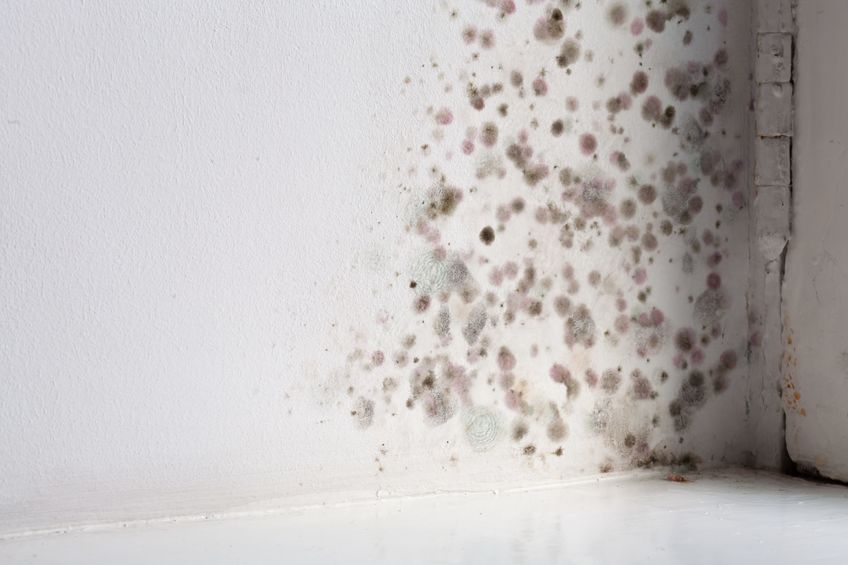
Florida living comes with sunshine, ocean breezes, and… a whole lot of humidity. While that tropical climate is great for beach days, it also creates the perfect environment for mold to thrive indoors. Understanding what causes mold growth is crucial to keep your home healthy, clean, and protected year-round.
Moisture: Mold’s Best Friend
If mold had a favorite thing, it would be moisture. In Florida, moisture can sneak into your home in ways you might not even notice. Leaky roofs, plumbing drips, and even high indoor humidity levels can create the ideal breeding ground.
Air conditioning systems, while essential, can also contribute if they’re not properly maintained. Condensation buildup in ducts or around units can quietly fuel mold growth behind walls or ceilings. That’s why regular maintenance and indoor air quality testing are so important.
Even something as simple as damp laundry left sitting too long or poor ventilation in bathrooms can tip the balance. Mold doesn’t need much, just a little water and time.
Hidden Trouble Spots in Your Home
Mold isn’t always obvious. In fact, some of the most significant growth happens in places you rarely look.
Think about areas like under sinks, behind drywall, inside HVAC systems, or beneath flooring. After a storm or minor water intrusion, moisture can get trapped and linger for days or weeks. That’s often where mold quietly spreads.
Homes along the Palm Beaches and Treasure Coast are especially vulnerable after heavy rains or hurricanes. Even if everything looks dry on the surface, deeper materials may still be holding moisture. That’s where a professional mold inspection can uncover what the eye can’t see.
Everyday Habits That Contribute to Mold
Sometimes, mold growth is the result of everyday habits. Running showers without exhaust fans, keeping windows closed for long periods, or setting your thermostat too high while away can all increase indoor humidity. Florida homes need airflow and balance. Without it, moisture lingers in the air and settles into surfaces like wood, carpet, and drywall.
Clutter can also play a role. Packed closets or storage areas restrict airflow, creating pockets where humidity builds and mold thrives unnoticed.
Simple adjustments, such as using dehumidifiers, improving ventilation, and staying on top of small repairs can make a big difference.
At the end of the day, mold is less about bad luck and more about conditions. When moisture, warmth, and organic material come together, mold follows. The key is catching those conditions early and addressing them properly.
A+ Mold Inspection Specialists combines every assessment with detailed visual observations, advanced equipment readings, and thorough lab analysis to give a complete picture of your home’s air quality. If you’ve noticed musty odors, recent water issues, or just want peace of mind, schedule a comprehensive mold assessment.