

 Mold has a way of showing up uninvited and unnoticed. In South Florida’s warm, humid climate, it doesn’t take much for mold to grow behind walls, under flooring, or inside HVAC systems. As such, knowing the best ways to test for mold can make all the difference for ensuring quality indoor air.
Start With a Thorough Visual Inspection
The first and most overlooked step in mold testing is a detailed visual assessment. Mold doesn’t always look like the dramatic black patches people imagine. It can appear as subtle discoloration, water staining, bubbling paint, or warped materials. A trained eye knows how to read these signs and trace them back to moisture sources such as roof leaks, plumbing issues, or poor ventilation.
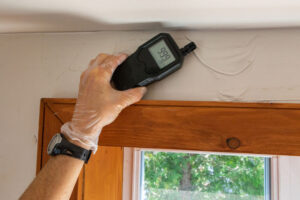
Professional inspections combine these observations with moisture readings, thermal imaging, and building envelope evaluations. This approach helps determine not just if mold may be present, but why it’s there, as fixing the source is just as important as identifying the mold itself.
Air Sampling
One of the most effective ways to understand mold exposure is through ambient air testing. Air samples are collected both indoors and outdoors to compare spore levels and types. These samples are then sent to an accredited laboratory for analysis.
This process helps identify elevated mold spore concentrations that may not be visible but could still impact indoor air quality. It’s especially useful for homes with musty odors, unexplained allergy symptoms, or recent water intrusion. Accurate air sampling relies on professional-grade equipment and proper methodology, which are two things that make a big difference in the reliability of the results.
Surface, VOC, and Specialty Testing
When visible growth is present, surface sampling can confirm whether a substance is mold and identify the species. But mold isn’t the only concern in indoor environments. Testing can also extend to VOC Testing, MVOC Testing, Formaldehyde Testing, and advanced options like H202 Plasma analysis. These evaluations provide deeper insight into environmental conditions and potential chemical or microbial contributors to poor air quality.
The real value comes from combining all data points: visual findings, equipment readings, and lab results. Together, they paint a clear picture of what’s happening inside a property and what steps should come next.
If you suspect mold or simply want reassurance about the air you’re breathing, working with licensed, insured professionals who follow accepted environmental hygiene practices is key. To schedule a mold inspection and mold testing services in Palm City, FL, contact us.