

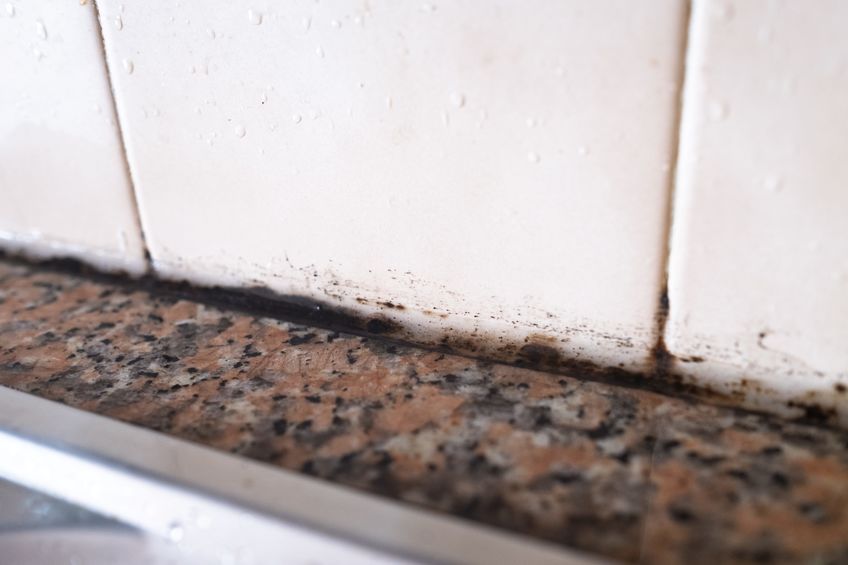
 When most people picture mold, they imagine fuzzy patches creeping across a wall or dark spots gathering around a bathroom ceiling. However, mold isn’t always considerate enough to announce its arrival. It can grow in hidden areas of a home where you may not see it at all, and knowing where hidden mold growth can occur, and which clues to watch for, can help you address a potential problem before it becomes more extensive.
Where Can Mold Hide?
Mold needs moisture to grow, which means some of its favorite hiding places are areas where water or humidity can go unnoticed. A slow plumbing leak behind a wall, for example, may create favorable conditions for mold without leaving an obvious puddle on the floor.
Mold may be found behind drywall, underneath carpeting, around plumbing fixtures, inside wall cavities, beneath cabinets, or near areas affected by previous water damage. Roof leaks and condensation can also introduce moisture into spaces homeowners rarely inspect. In Florida, our warm, humid climate can make professional mold inspections especially valuable when something seems off but there is no visible explanation.
Signs That Could Point to Hidden Mold
You don’t necessarily need to see mold to have a reason to investigate. Sometimes, your home provides other clues.
A persistent musty or earthy odor can indicate excess moisture or possible mold growth somewhere nearby. Water stains, bubbling paint, warped materials, discoloration, or unusually damp areas may also warrant a closer look. If your home recently experienced a plumbing leak, roof leak, flooding, or another moisture problem, hidden areas could have been affected even after the visible water was cleaned up.
How Professional Mold Testing Can Help
A thorough mold inspection and testing process looks beyond what can be spotted with the naked eye. At A+ Mold Inspection Specialists, our objective is to combine visual observations with readings from professional equipment and analysis of laboratory results. Together, this information helps us assess mold and spore content in the ambient air and better understand what’s happening inside the property.
This approach can be particularly useful when there is a suspected moisture issue but no obvious mold growth. Rather than relying on appearances alone, homeowners can get additional information about conditions within their home.
Mold doesn’t need to be standing in plain sight to deserve attention. If you’ve noticed musty odors, unexplained moisture, evidence of previous water damage, or other warning signs in your Palm Beach or Treasure Coast home, contact us.